Foam Rolling for a Tight Back and Hips: Release Where Desk Life Hurts
The back and hips are where desk life and stress settle in as tightness — and where foam rolling can bring real relief. But these areas also need the right technique, since rolling wrong (especially the lower back) can do more harm than good. Here is why the back and hips get so tight, how to roll them safely, and what to do and avoid.
Why the Back and Hips Get So Tight
Where tightness settles: the the-sitting-tightens-hips (the hours of sitting shortening and tightening the hip flexors from the foam-rolling-legs logic — the the-desk-hips), the the-upper-back-stiffens (the hunching stiffening the upper back and shoulders from the neck-shoulder logic — the the-hunch-effect), the the-stress-holds-here (the stress and tension settling into the back and shoulders — the the-stress-storage), the the-tight-hips-affect-the-back (the tight hips pulling on and aching the lower back — the the-hip-back-link), the the-inactivity-and-tension (the the combination of stillness and tension creating tightness — the the-tight-combo), and the reframe (the tight back and hips as where sitting and stress accumulate — released with the right foam rolling technique, safely).
How to Roll Them Safely
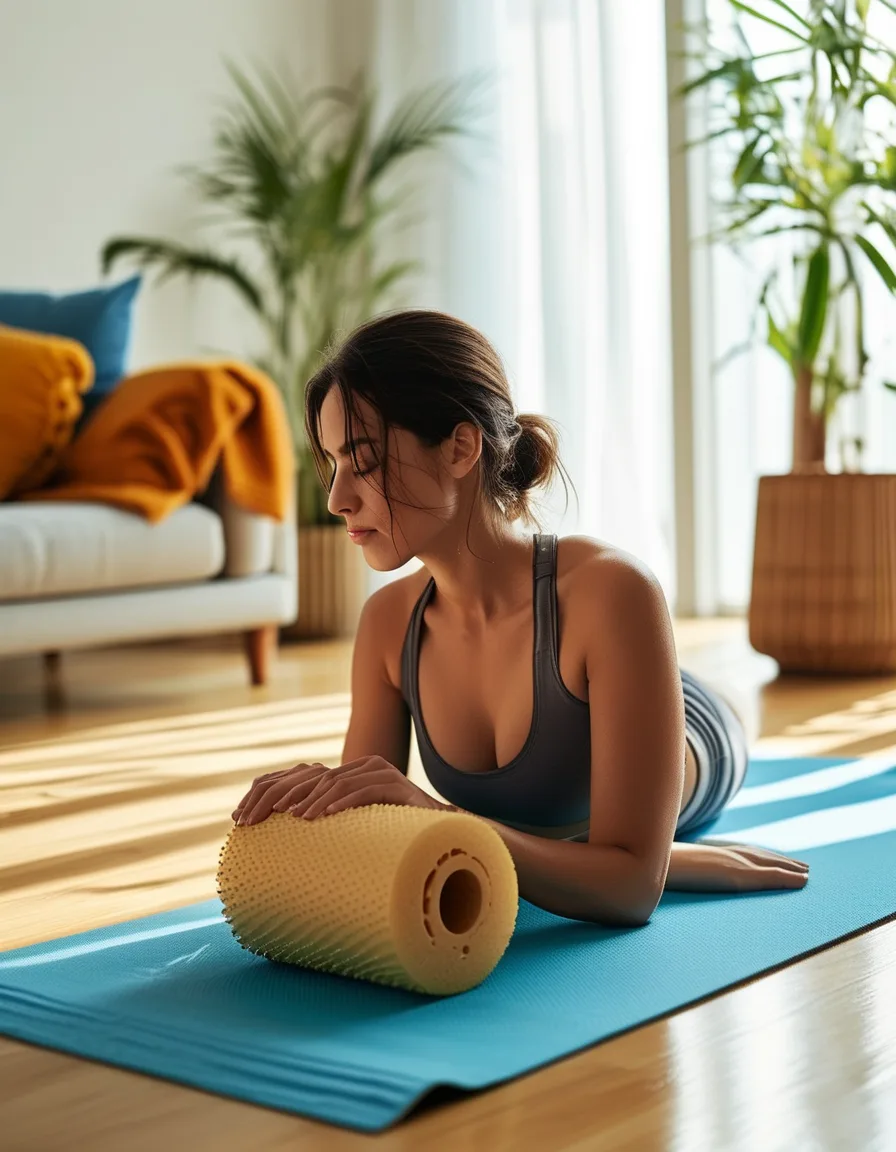
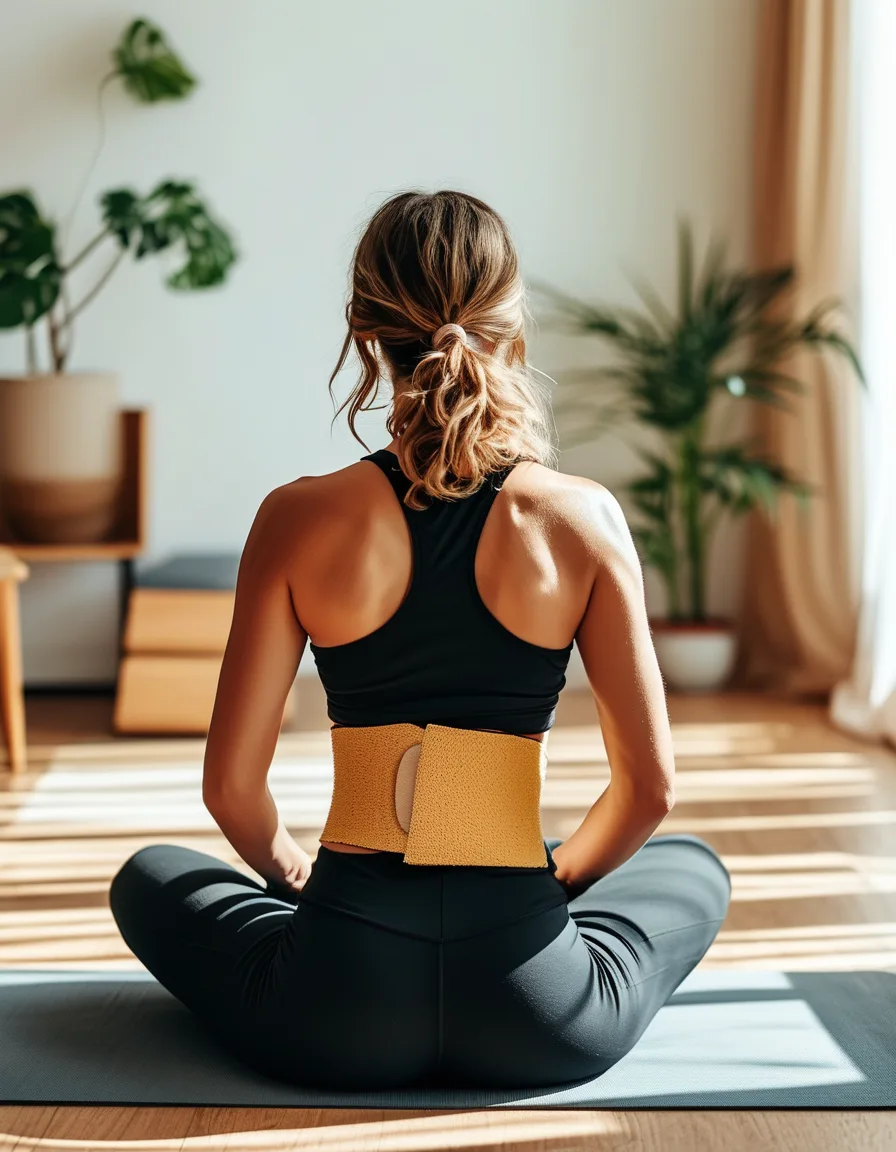
Rolling the back and hips: the the-upper-back-rolling (the rolling the upper back (thoracic) which responds well from the neck-shoulder logic — the the-upper-back-yes), the the-avoid-the-lower-back (the not rolling directly on the lower back, which can aggravate it — the the-key-caution; the skip-the-low-back), the the-glutes-and-hips (the rolling the glutes and hip muscles that tighten from sitting — the the-hip-release), the the-hip-flexors-gently (the gentle release of the tight hip flexors from the legs logic — the the-front-of-the-hip), the the-a-massage-ball-for-precision (the a massage ball for targeted spots like the glutes from the trigger-points logic — the the-targeted-tool), the the-slow-and-controlled (the slow rolling, pausing on tight spots, breathing from the mistakes logic — the slow-and-breathe), the the-moderate-pressure (the comfortable pressure, not grinding into pain from the mistakes logic — the not-into-pain), and the the-support-the-core (the bracing to protect the spine while rolling the back — the protect-the-spine).
The Do-and-Avoid Notes for Real Relief
Rolling well: the the-do-roll-the-upper-back-and-hips (the focusing on the thoracic back, glutes and hips that respond well from the neck-shoulder logic — the the-right-targets), the the-avoid-the-lower-spine (the never rolling directly on the lower back or spine — the the-big-avoid), the the-avoid-too-much-pressure (the skipping the grind-into-pain approach from the mistakes logic — the gentle-is-better), the the-do-roll-slowly (the slow, controlled rolling with breathing from the mistakes logic — the slow-it-down), the the-pair-with-stretching (the rolling plus stretching and mobility for lasting relief — the roll-and-stretch), the the-do-it-consistently (the regular short sessions over occasional long grinds — the little-and-often), the the-address-the-cause (the improving posture and movement, not just rolling from the neck-shoulder logic — the fix-the-source), and the frame (the foam rolling for the back and hips as safe rolling of the upper back, glutes and hips — never the lower spine — done slowly with moderate pressure and paired with stretching — real relief where desk life hurts. Roll the upper back and hips slowly, avoid the lower spine and excess pressure, and pair it with stretching and better posture).
The back and hips are where desk life and stress settle as tightness — and where foam rolling brings real relief, though the wrong technique (especially on the lower back) can do more harm than good. The back and hips get tight because sitting shortens the hip flexors, hunching stiffens the upper back, stress settles into the shoulders, and tight hips ache the lower back. Roll them safely by working the upper (thoracic) back, avoiding rolling directly on the lower back, releasing the glutes and hips, gently addressing the hip flexors, using a massage ball for precision, rolling slowly with breathing, and using moderate (not painful) pressure. Do roll the upper back and hips slowly; avoid the lower spine and excess pressure; pair rolling with stretching; do it consistently; and address the underlying posture. Real relief where desk life hurts.
Keep Reading
This article is for general informational purposes only and is not medical advice. Always consult a qualified health professional for guidance specific to you.